
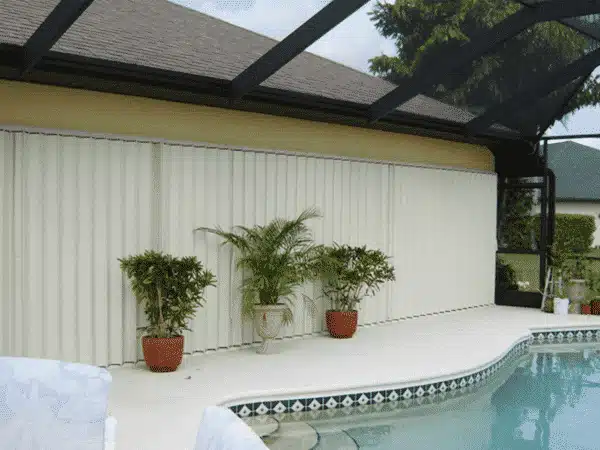
Remember – homeowners or businesses; any Florida area where the basic wind velocity is 120 mph or above is subject to the hurricane shutter code. All the areas within one mile of the coast, with wind speed above 110 mph, also come under the same category. Hurricane season in Florida lasts from June 1st to November 30th so it’s important to be prepared.
Basic Requirements for Hurricane Shutter Code
According to the Florida building code, high-quality hurricane shutters must be used to protect all exterior glass surfaces of a building. This includes windows and doors. These hurricane proof aluminum shutters must be designed to take a certain pressure and load in order to ensure its durability during a hurricane or weather disaster.
Hurricane shutters that comply with the codes must be designed by an engineer or a qualified architect registered in Florida. The supervising professional must provide a seal of approval that customers must demand to see before buying those hurricane aluminum shutters.
There is no particular requirement on the style of the hurricane shutters or the material. Both anchored and removable ones are used. However, in the case of removable shutters, there are certain guidelines regarding storage that must be followed to ensure safety.
As for material, aluminum supply, due to its durability, strength, and affordability is the most preferred material when manufacturing hurricane shutters in Florida and around the southern gulf coast.
The need of hurricane shutters is only not necessary in case where a high impact glass is used according to the building code requirements in the region. While such impact glass is great in term of performance and safety, they lean on the expensive side when it comes to cost and replacement if disaster occurs. You can read more about impact windows vs hurricane shutters at our blog post.

Specification Regarding Installation and Size
Shutters must be chosen and installed to ensure that there is at least one inch gap between the surface of the glass and the shutter and its components. This one-inch gap must be there during maximum deflection, and this means, it must be a little wider under normal conditions.
The requirement for this distance changes if the glass used in the window or door meets a certain load and pressure requirement set. There must be ¼ inch of maximum side clearance between the wall and the shutter, and all the openings must be completely covered.
Exceptions to the Florida Shutter Code
The code holds for all buildings with a few exceptions that include non-residential farm properties, modular or mobile homes, electric utility structures, temporary sheds or sets, and wooden huts built by Miccosukee Tribe of Indians.
If your home or building does not fall under the exceptional category make sure it is well protected by the most durable hurricane shutters. Take a look at AMD Supply’s “Miami Dade Building Code” approved, Supernova Shutters and find out why they are the best hurricane shutters you can buy in Florida.
Hurricane shutters that are installed in a high velocity zone in South Florida are given a pass or fail grade and may be installed in Broward County and Miami-Dade County. All hurricane shutters are tested at 175 MPH and requires a large missile impact resistance at 50 MPH, along with a positive and negative pressure test at 9000 cycles.
Supernova Shutters
AMD Supply is the manufacturer of the Supernova Shutters, an accordion hurricane shutter system recently awarded, “Best Accordion Shutters“, in 2022 by the Spruce. Call us today at (786) 621-6706 or feel free to visit one of our four locations in Florida: Boynton Beach, Port St. Lucie, Miramar, Deerfield Beach to learn more about our hurricane protection products.
Are Hurricane Shutters Required in Florida?
Many homeowners ask: are hurricane shutters required in Florida?
The answer depends on your location and building structure.
- In high-velocity hurricane zones (HVHZ) like Miami-Dade and Broward County, protection is mandatory.
- You must either install hurricane shutters in Florida or use impact-resistant windows.
- Outside these zones, shutters are not always legally required, but strongly recommended.
So, while are hurricane shutters mandatory in Florida may not apply everywhere, following florida hurricane code standards is critical for safety and insurance compliance.
Florida Building Code Hurricane Shutters Explained
The Florida Building Code hurricane shutters guidelines ensure that all protective systems meet strict safety standards.
Key requirements include:
- Compliance with florida hurricane testing requirements
- Proper anchoring and hurricane deflection spacing
- Verified wind resistance based on local wind zones
- Approved materials like aluminum or reinforced steel
The official guidelines are available through floridabuilding.org, which outlines all florida hurricane building standards and compliance rules.
Miami-Dade Hurricane Shutter Code & Standards
The miami dade hurricane shutter code is among the toughest in the country. If you’re installing hurricane shutters in Miami, your system must meet:
- Miami Dade hurricane standards for impact resistance
- Large missile impact testing
- Specific miami dade wind rating requirements
- Certification for miami dade shutters approval
Products labeled as hurricane shutters miami dade approved meet these strict criteria and are ideal for coastal homes.
Florida Hurricane Window Code vs Shutters
Homeowners can choose between shutters or impact windows under the florida hurricane window code.
- Florida building code hurricane windows must pass the same impact tests
- Shutters remain a more affordable option
- Both must meet florida approved hurricane window protection standards
This flexibility allows homeowners to choose the best protection method based on budget and design preferences.
When to Put Up Hurricane Shutters
Timing is crucial. Many people search for when to put up hurricane shutters or when should you put up hurricane shutters.
Best practice:
- Install shutters 24–48 hours before a storm
- Follow local weather advisories
- Don’t wait until winds begin
Knowing when to put hurricane shutters up can make a significant difference in protecting your home.
Types of Hurricane Shutters for Florida Homes
Different homes require different solutions. Common options include:
- Accordion shutters – popular for easy use and affordability
- Bahama shutters – stylish and ideal for florida hurricane lanai shutters
- Roll-down shutters – perfect for automation and convenience
- Panel shutters – budget-friendly storm protection
Many homeowners ask: what are the best hurricane shutters for homes in Miami?
The answer depends on wind exposure, budget, and property type, but Miami-Dade approved systems are always the safest choice.
Regional Installation & Compliance Examples
Florida’s requirements vary by location:
- Port St. Lucie
- Requires hurricane shutter certification port st. lucie
- Focus on wind load tested shutters port st. lucie
- Common searches include accordion hurricane shutters price port st. lucie and installation costs
- Miramar & Miramar Beach
- High demand for storm window replacement miramar fl
- Use of miramar beach hurricane roll down shutters
- South Florida & Miami
- Strict enforcement of hurricane protection in miami
- Popular systems include storm shutters miami and miami windows shutters
Costs & Installation Considerations
The cost of hurricane shutters in Florida depends on type and location:
- Accordion shutters: budget-friendly
- रोल-down shutters: higher cost but premium protection
- Installation varies based on labor and compliance
Search trends like cost to install accordion shutters port st. lucie and hurricane shutter installation cost port st. lucie highlight the importance of professional installation.
HOA & Legal Considerations
Some communities have rules regarding shutters:
- HOA restrictions on hurricane shutters may affect design and color
- However, safety compliance often overrides aesthetic restrictions
- Always check local guidelines before installing florida shutters and blinds
Final Thoughts
Navigating hurricane shutter requirements in Florida involves understanding building codes, regional standards, and product certifications. Whether you’re installing hurricane shutters Miami, upgrading florida storm shutters, or exploring coastal hurricane safety products, compliance with the florida building code hurricane regulations is essential.
The right system not only protects your home but ensures long-term safety, legal compliance, and peace of mind during hurricane season.


